
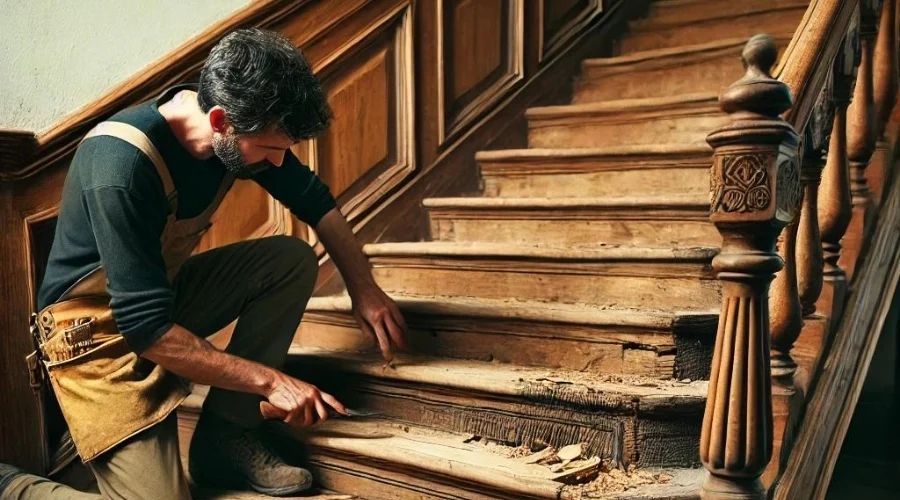
Interior surfaces can lose their finish over time. Cracked drywall, peeling paint, damaged trim, and worn floors can affect your home’s look and usability. Before choosing new finishes, it helps to understand what caused the damage and what work the area needs.
Canadian Illuminate Renovation & Contracting can discuss interior repair and finishing work based on your project needs. The right approach depends on the type of damage, the surface, and the area’s condition. Some jobs need simple repairs, while others need more work before new finishes can go in.
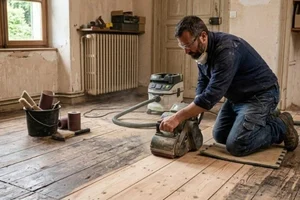
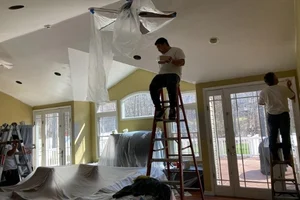
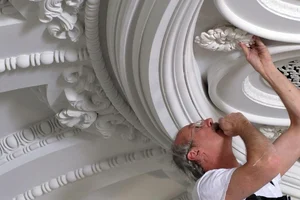
The work depends on the area and the damage found. Small surface marks may need patching, while damaged drywall or flooring may need replacement. If the damage comes from a leak, mould, or a deeper building issue, you may need to check the cause before repairs begin.
Holes, cracks, and loose sections of drywall can leave walls looking uneven. The repair method depends on the damage size and the condition of the surrounding material. Small areas may need patching, while larger damaged sections may need new drywall.
Peeling paint, rough patches, and uneven surfaces can affect the repair’s final result. Scrape off loose paint, fill small gaps, and sand the surface to prepare it for a new finish. The right method depends on the surface and the reason for the damage.
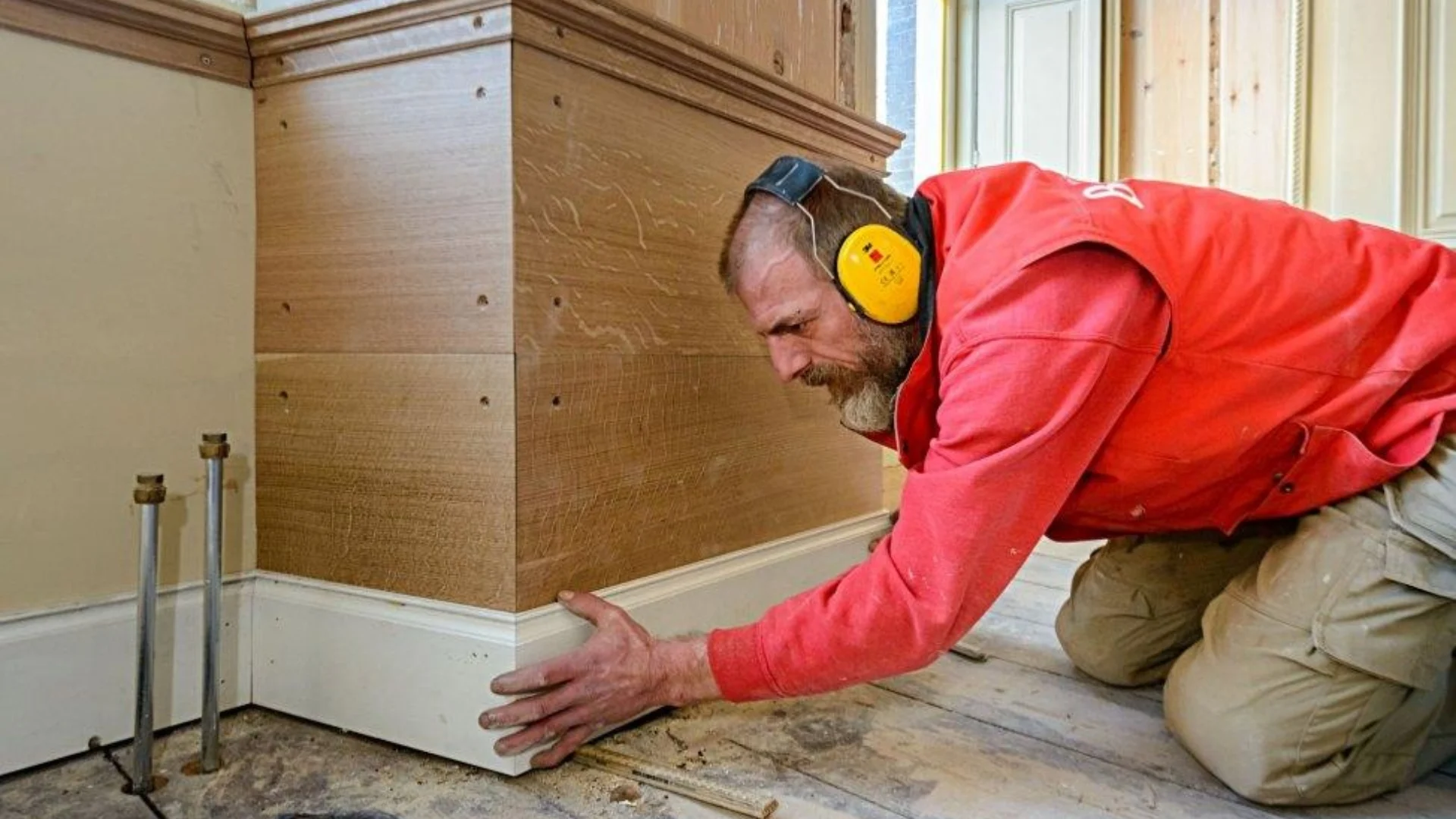
Interior doors, frames, baseboards, and trim can show signs of wear from daily use. Scratches, loose parts, and damaged edges may need repair or replacement. The choice depends on the woodwork’s condition and whether the existing parts can still serve their purpose.
Damaged flooring can affect how a room looks and feels underfoot. Loose boards, cracked tiles, and worn sections may need repair or replacement, depending on the material and condition. Before installing new flooring, check the surface below for damage that could affect the result.

Stains, peeling paint, and soft spots in the wall may point to moisture or another issue beneath the surface. Covering these signs without checking the cause can lead to further repairs later. First, identify the cause, then choose a repair method that suits the condition.
List the damaged areas, take photos, and note when the problems first appeared. This information can help explain the work during your first discussion. Canadian Illuminate Renovation & Contracting provides interior finishing and repair services in Calgary and nearby areas. Contact the team to discuss your project and request an estimate.
Interior restoration involves repairing worn or damaged parts of a home's interior, such as walls, ceilings, floors, doors, and trim.
It may include drywall repair, surface preparation, painting, trim work, and flooring repairs, depending on the home's condition.
Yes. Small holes and cracks may need patching, while larger damaged areas may need new drywall.
You can repair peeling paint after removing loose paint and preparing the surface. Also check the cause of the peeling.
Yes. Depending on the material and damage, the work may include repairing or replacing worn flooring.
Yes. Address the source of the water, and inspect the affected area before applying new paint.
Some trim can be repaired, while badly damaged sections may need replacement. The choice depends on the material and its condition.
The cost depends on the size of the damaged area, the materials, the repair method, and the amount of work needed.
Small repairs may take less time than projects that need material replacement or several stages of work. The timeline depends on the damage and the scope of repairs.
Share photos, describe the damage, and list the areas that need attention. A contractor can then discuss the required work and next steps.