
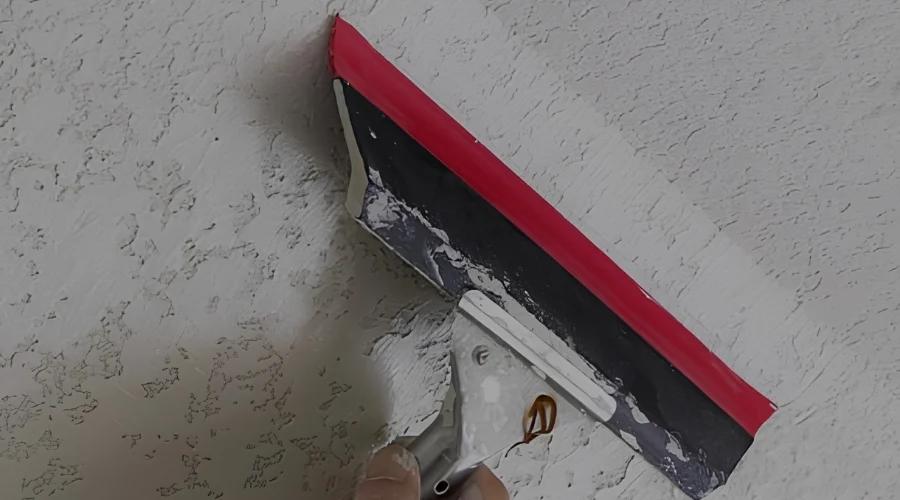
The ceiling finish can change a room’s look without changing its layout. A knockdown ceiling has a soft, uneven texture with flattened peaks, while a flat ceiling has a smooth surface without a texture pattern. Each option suits different tastes and surface conditions.
Canadian Illuminate Renovation & Contracting provides interior renovation services in Calgary. Ceiling finishing may form part of a basement development, drywall project, or room update. The right approach depends on the existing ceiling, your preferred finish, and the preparation needed before the final coating.
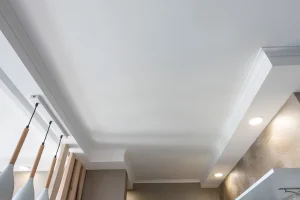
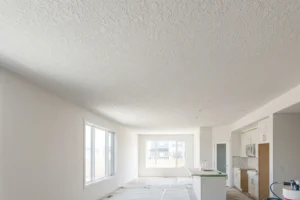
The work required depends on whether the ceiling is new, damaged, or already finished. A new drywall ceiling needs proper joint finishing, while an older ceiling may need repairs or extra preparation. Reviewing its condition helps determine the right finish and what the project will involve.
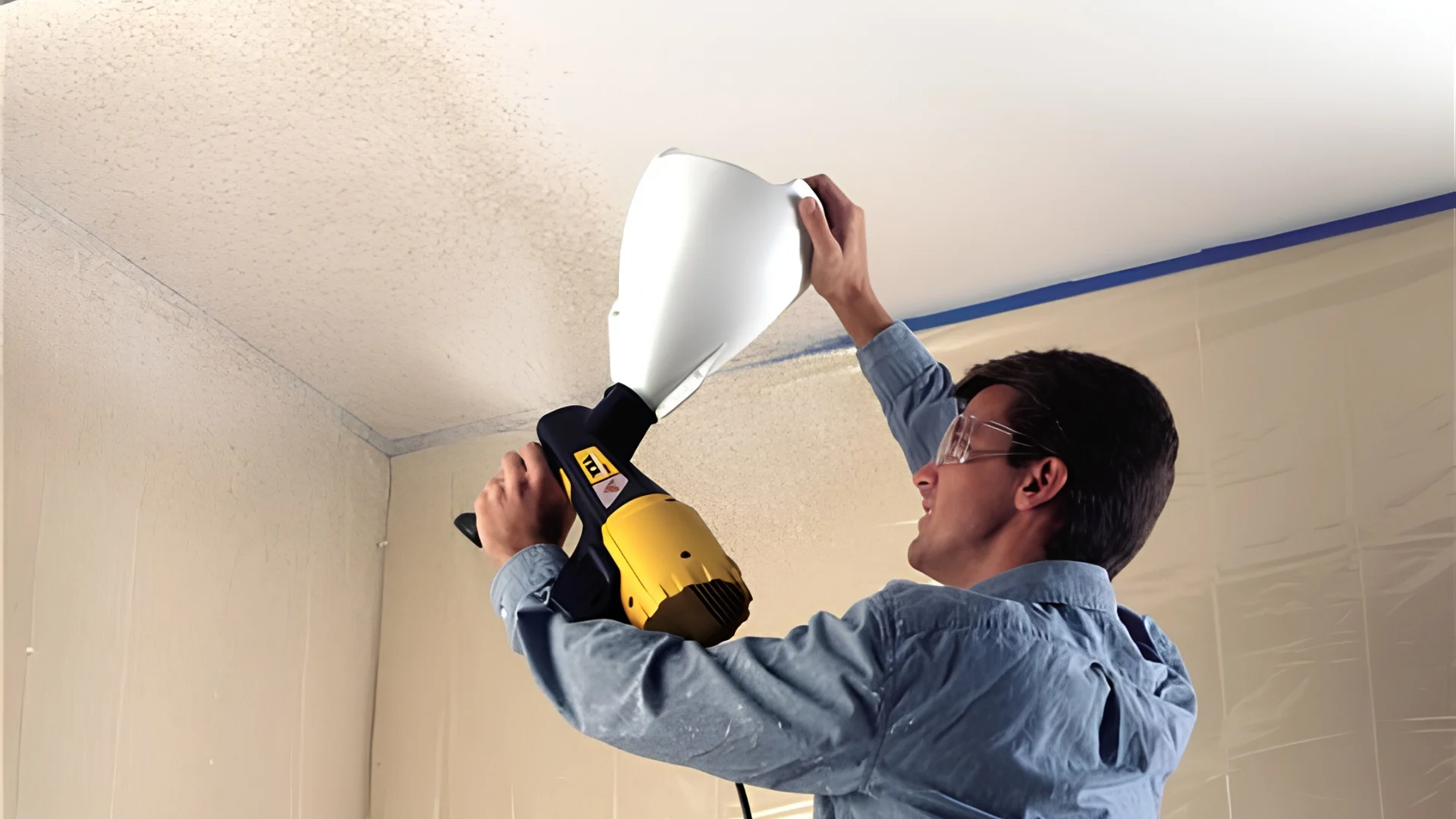
A knockdown ceiling starts with a sprayed texture that forms raised peaks. Once the material begins to set, a finishing tool lightly flattens the peaks. This creates a broken, low-profile pattern rather than a fully smooth surface. The timing and pressure affect how even the pattern looks overall.
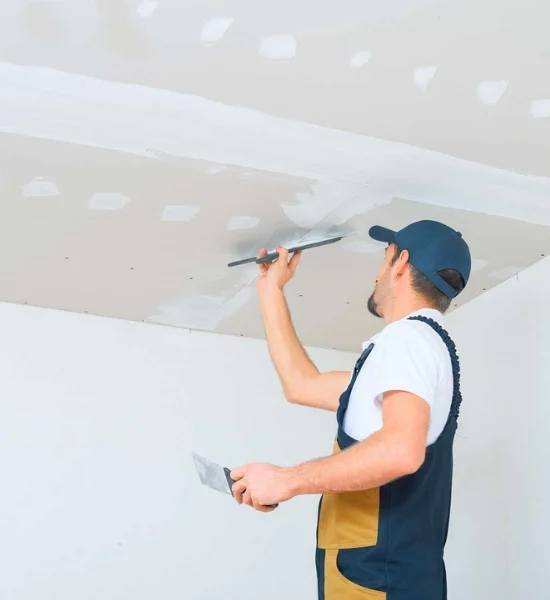
A flat ceiling has no planned texture, so the surface needs careful finishing from joint to joint. Taping, compound coats, sanding, and checking under light help reveal ridges or shallow dips before paint. This option suits homeowners who want a plain ceiling, but it needs more attention to surface detail.
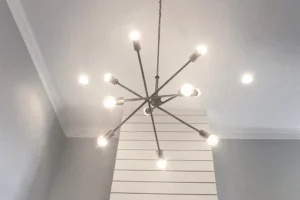
Lighting can change how a ceiling finish appears. Recessed lights, large windows, and fixtures that shine across the ceiling may make small surface marks easier to see. Review the room’s lighting before choosing a finish. A sample area can help you compare the texture and smoothness in the actual space.
A ceiling with cracks, old patches, or an uneven texture may need repair before you apply a new finish. Work may include removing loose material, filling damaged areas, and blending the surface. Matching an existing knockdown texture can be difficult, so a test patch helps set realistic expectations.
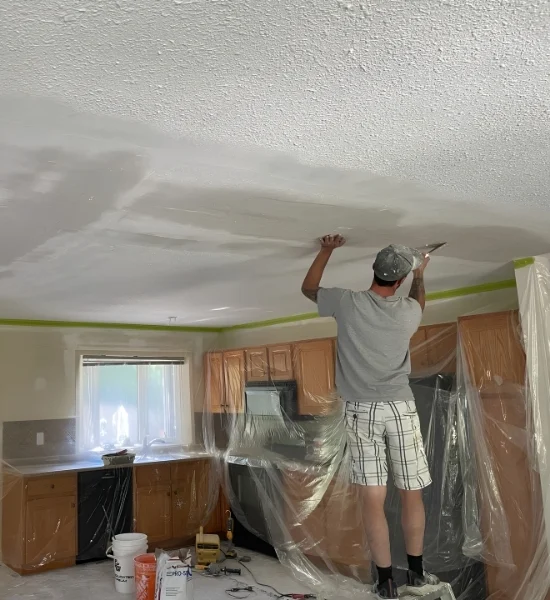
Ceiling work can send dust or wet material toward walls, floors, fixtures, and cabinets. Cover the room and clear items to protect finishes. Coordinate ceiling work with drywall repairs and painting so each stage has time to dry. Confirm whether final priming and painting are included in the project scope.
The estimate depends on ceiling size, height, access, condition, and the finish you select. A flat ceiling may need more compound and sanding than a textured option. Repairs, removal of old texture, room protection, and painting can add work. Ask for a scope that separates included tasks from extras for your project.
A knockdown ceiling has a textured pattern with raised areas flattened before the material fully dries. The result is a soft, uneven surface.
A flat ceiling has a smooth finish without an intentional texture pattern. It needs careful surface preparation to reduce visible joints and marks.
It depends on your preferred look and the ceiling's condition. Knockdown adds texture, while a flat finish creates a smooth appearance.
Yes. The drywall joints and surface must be properly finished and prepared before applying the texture.
Often, yes. The method depends on the existing texture, paint layers, and ceiling condition. You may need removal or additional surface finishing.
It can. A smooth surface can reveal uneven joints, sanding marks, or shallow dips, especially when light hits it at an angle.
Yes. You can repair and retexture the damaged area, but matching the surrounding pattern may require a test patch and careful blending.
Painting depends on the agreed project scope. Confirm whether primer and ceiling paint are included in the estimate.
Ceiling area, height, access, repairs, surface preparation, texture removal, and the required finish can all affect the cost.
Contact Canadian Illuminate Renovation & Contracting with details about your ceiling, preferred finish, and any damage. This helps define the work needed for an estimate.