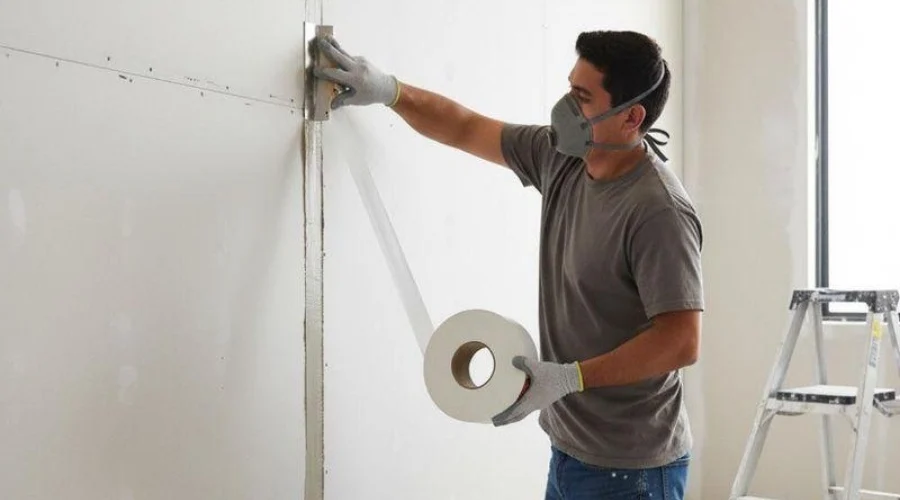
Mudding and taping turns separate drywall sheets into a connected wall or ceiling surface. Workers apply tape over joints, then use joint compound to cover seams, screw heads, and corners. They build up and smooth these areas so the finished surface is ready for the next stage.
Canadian Illuminate Renovation & Contracting offers mudding and taping as part of its interior renovation services in Calgary. This work suits new drywall, basement projects, room updates, or repairs. The required finish depends on the wall condition, lighting, and final coating planned for the space.
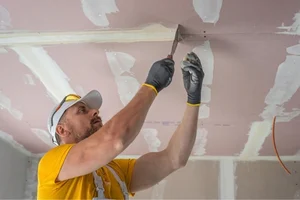
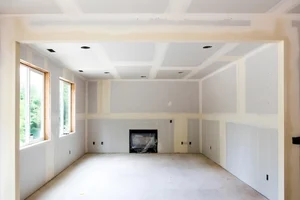
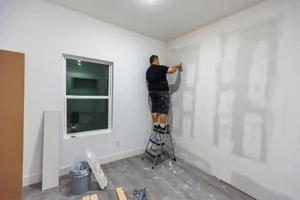
The exact scope depends on the drywall condition and the finish you need. Some projects involve new board, while others require repairs to existing walls or ceilings. Reviewing the surface first helps you identify the work needed before you begin finishing.
Drywall sheets meet at seams that need reinforcement before painting. Taping embeds joint tape in compound, helping hold the joint together. The tape must sit flat without bubbles or raised edges. Careful work at this stage provides a stable base for coats and helps limit visible seam lines.
Inside corners and outside edges need different treatment from flat seams. Inside corners require a neat fold and an even coat on both sides. Outside corners may use a corner bead to form a straight, firm edge. Accurate corner work helps walls meet cleanly and keeps trim lines looking tidy.
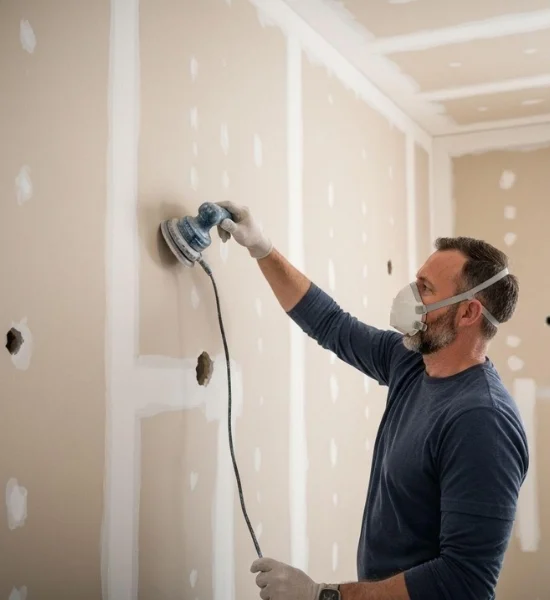
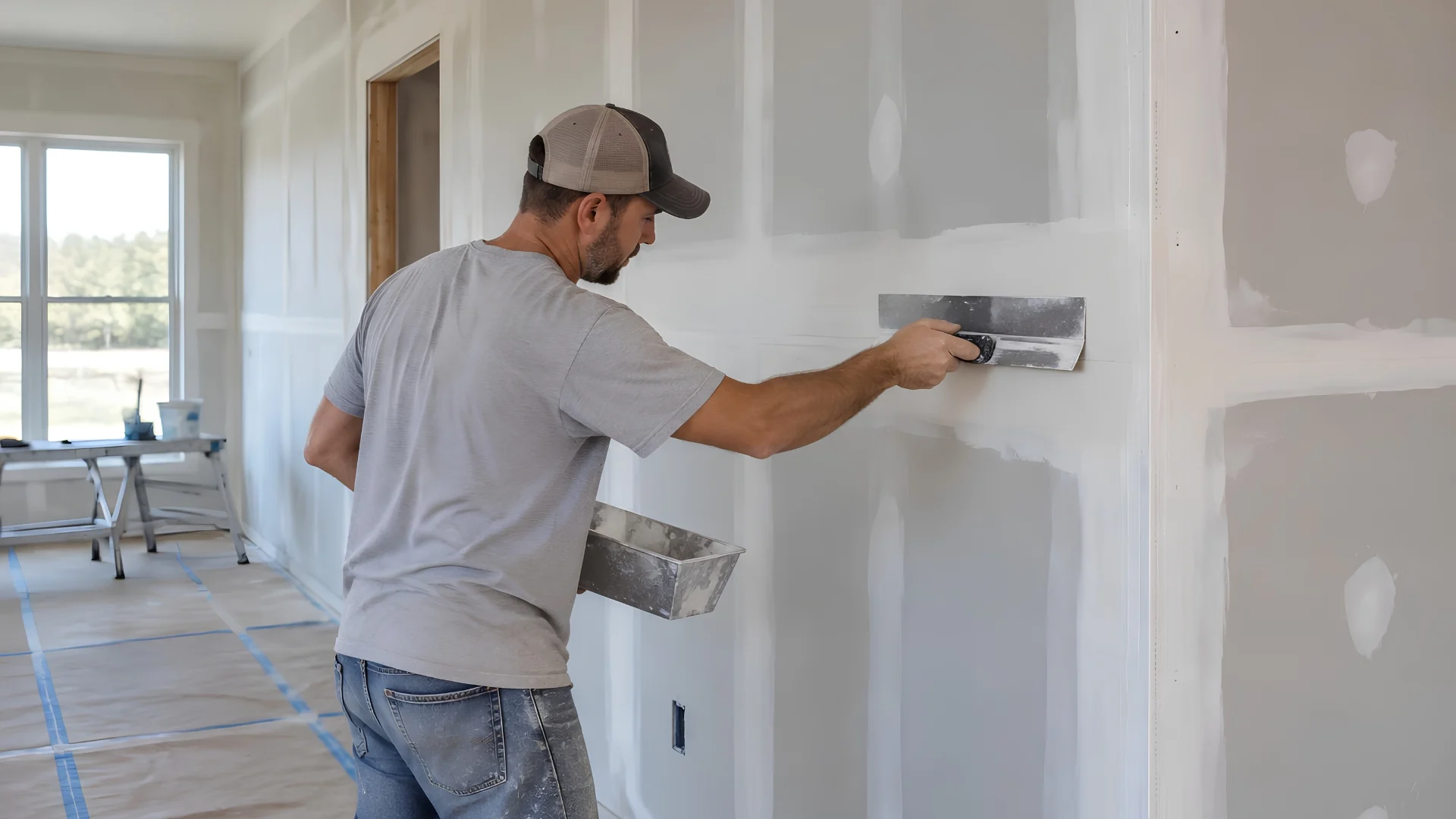
Joint compound usually goes on in more than one coat. Each layer fills and feathers the joint wider, so the change in surface height becomes less noticeable. Let to compound dry or set before moving on. Rushing coats can lead to marks, shrinkage, or extra sanding.
Patches around moved lights, removed shelves, or small wall openings need more than a dab of compound. Remove loose material, check the edges, and blend the repair into the surrounding board. Matching the existing wall texture takes extra care when the old finish has a pattern before coating.
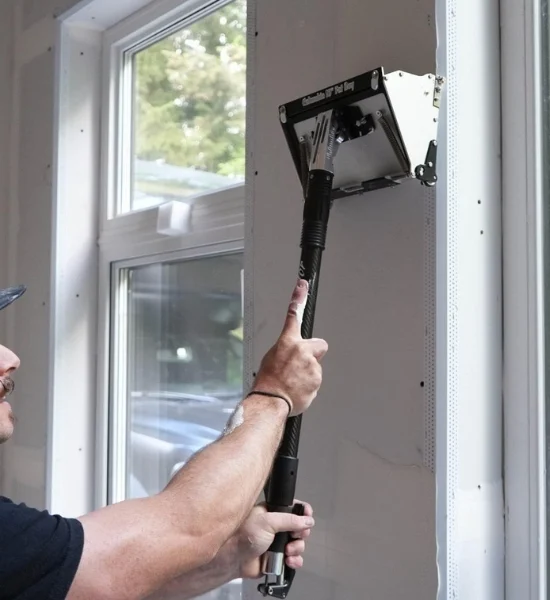
The finish level should match the room and final coating. Standard painted walls may need a different surface treatment from areas with strong side lighting or a high-sheen finish. Discuss the result before work begins, so preparation suits the surface and avoids paying for work unneeded for this room type.
Before primer goes on, the compound should be dry, and you should check the surface for ridges, pinholes, scratches, and visible joints. Sanding smooths small high spots, while removing dust helps the next coat adhere as intended. Strong light can reveal flaws that are easy to miss under normal room lighting alone.
It is the process of covering drywall joints and fasteners with tape and joint compound to prepare walls and ceilings for finishing.
Tape reinforces seams between drywall sheets and, when applied correctly with joint compound, helps reduce cracking.
The number depends on the joint, compound, and finish required. You often use several coats to build and smooth the surface.
Yes. Mudding and taping prepare newly installed drywall for the specified surface finish and later coating.
Yes. Suitable repairs can fill damaged areas and blend them into the surrounding surface before the final coating.
Taping places joint tape over seams. Mudding applies joint compound to embed the tape, cover fasteners, and smooth the joints.
Sanding may be part of the finishing process to smooth high spots and prepare the surface for primer.
Yes. The company's listed mudding and taping service prepares drywall surfaces for painting. Discuss ceiling access and the required finish when requesting an estimate.
Timing depends on the area size, number of joints, repair needs, compound type, and drying conditions between coats.
The cost depends on the area, drywall condition, number of joints and corners, ceiling work, and finish level. Request an estimate based on your project.